


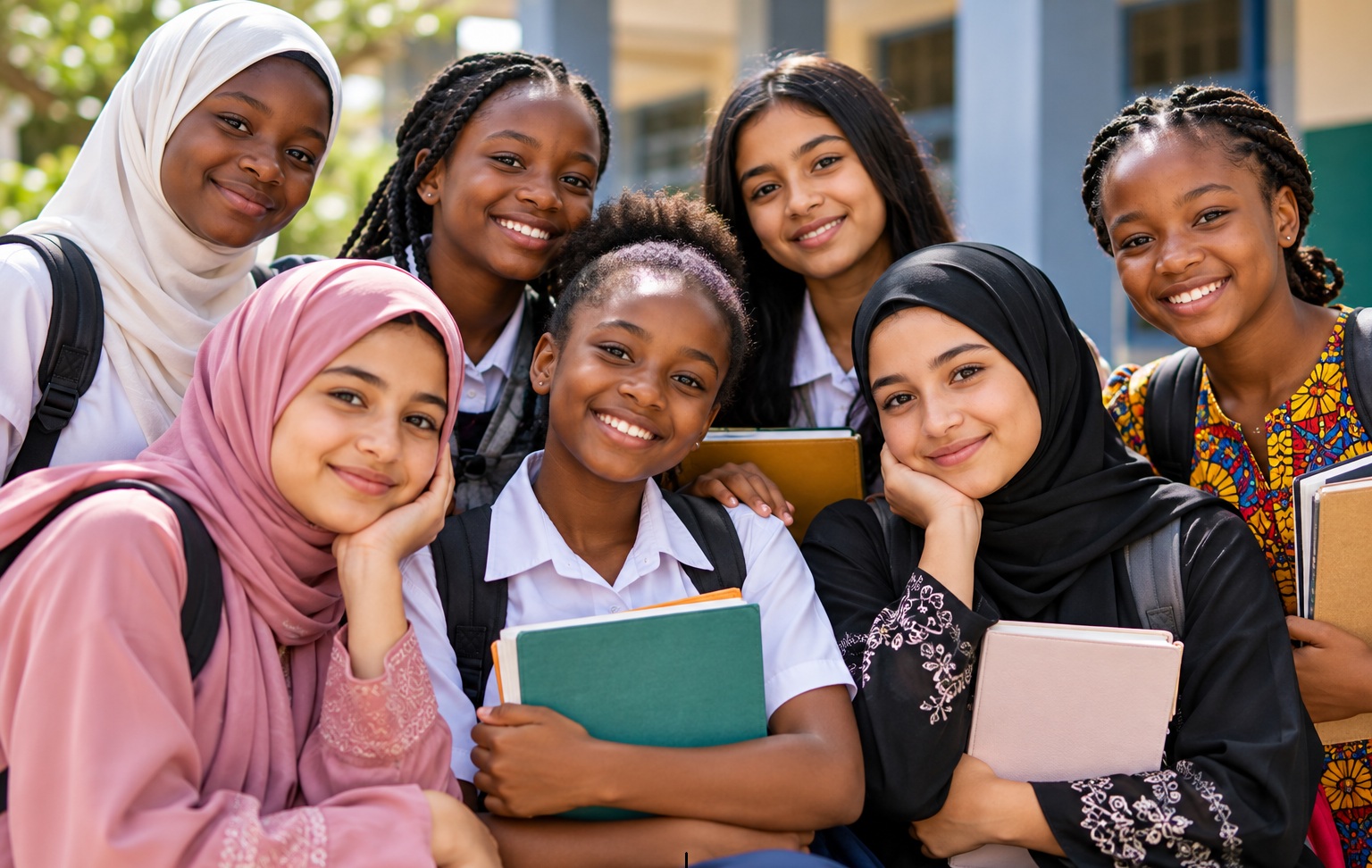










By Blossom Ukoha “Poverty is not a personal failure; it is a systemic failure, a denial of dignity and human rights.” — António Guterres, United Nations Secretary-General These words from António Guterres, in his message for the 2025 International Day for the Eradication of Poverty, challenge the tendency to view poverty as an individual failing rather than the consequence of structural inequalities. For millions of women and girls, poverty is sustained by limited economic opportunities, inadequate social protection, unequal access to resources and the absence of something fundamental: a safe and secure home. As the world marks the International Day for the Eradication of Poverty on 17 October 2026, the focus, Safe Homes for All, under the theme United for Peace and Human Rights, presents an important question: can women truly overcome poverty when their homes offer neither security nor stability? The Gendered Reality of Poverty Women continue to experience poverty…

By Blossom Ukoha A woman may spend decades building expertise, leading teams, managing complex budgets and delivering measurable business results, yet still be overlooked…
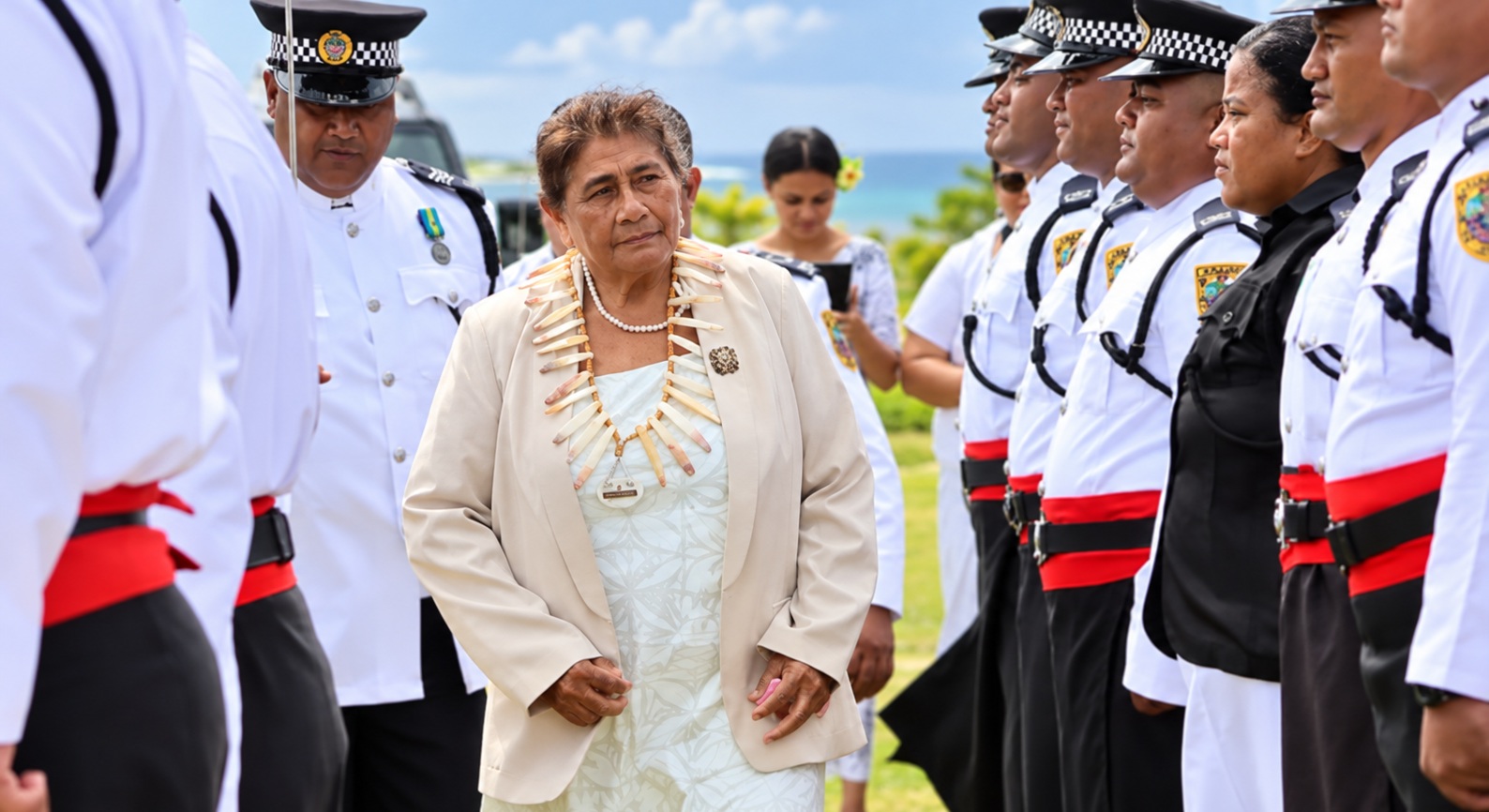
By Blossom Ukoha “I look forward to leading the nation and empowering our people, especially the women of Tuvalu.” With these words, Temukisa Auina…

By Blossom Ukoha According to the International Labour Organization (ILO), women perform 76.2 per cent of unpaid care work globally and spend 3.2 times…
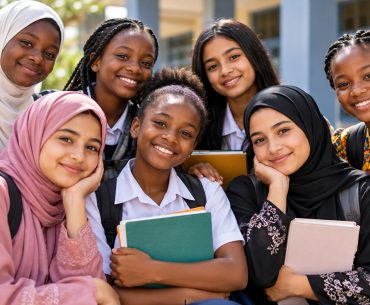
By Blossom Ukoha “I was just a child and suddenly got married. Before I had time to recover from the shock, I got pregnant.”…
By Blossom Ukoha “I am deeply honored to join Komen as its President & CEO, and I am inspired to work alongside Komen’s incredibly…
By Blossom Ukoha “Profit and purpose are not mutually exclusive, and you have to work just as hard on delivering the impact you want…

By Blossom Ukoha For generations, women have navigated health concerns that were often under-researched or diagnosed only after symptoms became difficult to ignore. From…
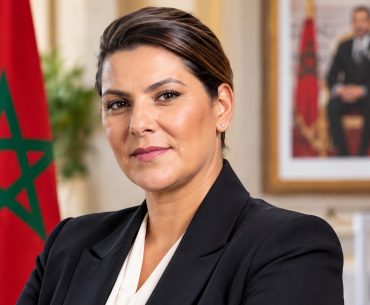
By Blossom Ukoha When Fatima Ezzahra El Mansouri was appointed Morocco’s Head of Government on 29 September 2026, history was made in a country…

By Janet Coin In 2007, Arianna Huffington, founder of The Huffington Post, collapsed from exhaustion while building her media company. Working approximately 18-hour days,…
By Blossom Ukoha “WTCA has an extraordinary foundation, a trusted global brand and a network of Members with deep connections to businesses and communities…
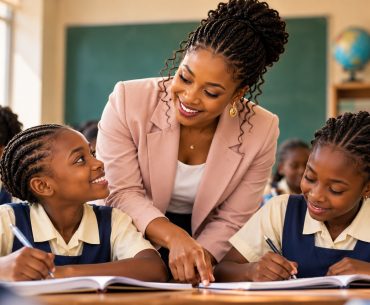
By Blossom Ukoha “Education is the most powerful weapon which you can use to change the world.” Nelson Mandela Nelson Mandela’s words capture a…
